Ancient Land.
Living Heritage.
Tharparkar — Pakistan's only inhabited desert — spans 19,638 square kilometres of golden dunes, historic temples, age-old wells, and an extraordinarily resilient people who have called this land home for more than five millennia.
The Thar Citizen Forum was born to protect and amplify the voice of this land and its 1.6 million people.
Read Our Story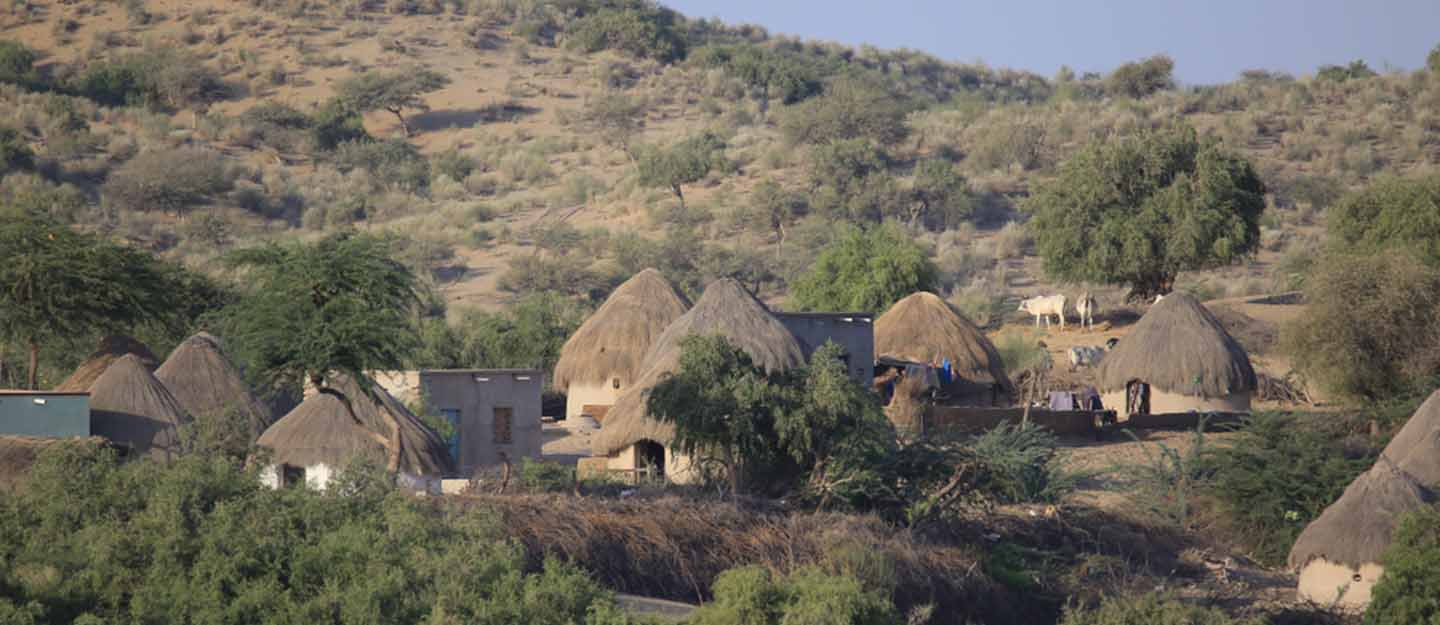
Sindh, Pakistan
Geography & Demographics
Tharparkar is a land of extremes — ancient, vast, and breathtakingly rich in culture yet systematically overlooked by the state.
19,638 km²
Total area — Pakistan's largest desert district, stretching from Mithi to the Indian border at Nagarparkar.
1.6 Million
Population across 7 talukas. Over 40% Hindu by faith — one of Pakistan's most religiously diverse districts.
5,000+ Years
Continuous human civilisation — descendants of the Indus Valley people with unbroken cultural lineages to antiquity.
7 Talukas
Mithi, Islamkot, Chachro, Diplo, Nagarparkar, Dahli, and Kaloi — each with distinct micro-cultures and urgent needs.
Rainfall Dependent
Communities depend almost entirely on monsoon rains and ancient Toba water reservoirs — now under climate threat.
Coal Reserves
The Thar coalfields are among the world's largest, yet local communities see almost no benefit while bearing the full environmental cost.
"Thar is not a wasteland waiting to be developed. It is a civilisation waiting to be respected." — TCF Founding Members
What Makes Thar, Thar
From ancient temples to Rajasthani folk music, Tharparkar's culture is irreplaceable and alive.
Temples & Shrines
Ancient Hindu temples, Sufi shrines, and Jain heritage sites dating back over 1,000 years — monuments to peaceful coexistence.
Folk Music & Dance
Thari, Dhatki, and Sindhi folk traditions carry centuries of oral poetry, devotional music, and vibrant dance forms.
Craft & Embroidery
Thari women are renowned for intricate "Ralli" quiltwork and mirror-work embroidery that tells stories of community and resilience.
Thar's Natural Wealth
Tharparkar is not merely a desert — it is a land of extraordinary natural riches. From the largest lignite coal reserves in the world to sacred granite peaks and rare white clay deposits, its resources are vast. Yet these very riches have attracted extraction industries that now threaten the communities and ecosystems they come from.
Thar Coal — Lignite Reserves
Tharparkar holds an estimated 175–200 billion tonnes of lignite coal — among the largest reserves on earth — spread across over 9,000 sq km. Found 150–200 metres underground, the coal is divided into 12 blocks by the Sindh Coal Authority. Two blocks are now actively mined and generating electricity, while the remaining blocks await development. The promise of energy has come at severe environmental and human cost.
Under ExtractionKaroonjhar — The Granite Mountain
The Karoonjhar Mountain Range is a chain of ancient granite peaks rising dramatically from the flat desert near Nagarparkar — the only hills in the entire Sindh province. Revered by Thari Hindus as a sacred site and visited by pilgrims for centuries, Karoonjhar is also home to rare flora, wildlife, and breathtaking landscapes. Today, unregulated granite quarrying has begun scarring its slopes, destroying habitat and cultural sites. TCF's 14-point Charter explicitly demands complete protection of Karoonjhar.
Under ThreatChina Clay (Kaolin)
Tharparkar has significant deposits of China clay — also known as kaolin — a soft white clay prized globally for manufacturing porcelain, paper, ceramics, and paint. Found in open-pit kaolin deposits, the clay is extracted primarily using open-cast methods. While it creates some local employment, unregulated extraction leads to soil degradation, water contamination, and displacement of grazing land. The lease of China clay sites to non-local companies remains a core grievance in TCF's Charter of Demands.
Leased to OutsidersSalt Reserves
Tharparkar contains an estimated 600 million tonnes of high-purity salt. The region's salt deposits — known for their low impurity levels — are used in cooking, food preservation, and industrial applications. Salt production from Tharparkar has operated for generations, with the Pakistan Mineral Development Corporation (PMDC) overseeing some operations. Salt flats also attract tourism interest due to their striking geological formations, though this potential remains underdeveloped.
Traditionally MinedWildlife & Biodiversity
Despite the harsh desert climate, Tharparkar is one of Pakistan's most biodiverse regions. It is home to the Indian wolf, desert fox, blackbuck (chinkara), Indian gazelle, desert cat, spiny-tailed lizard, and dozens of migratory bird species. Many species are endemic — found nowhere else in the world. Coal mining, railway construction, and habitat destruction are driving a rapid and largely undocumented loss of this biodiversity.
Ecologically UniqueThar's Desert Water System — A Fragile Miracle
Tharparkar holds one of the most ecologically extraordinary water systems in any desert: a stratified dual-aquifer structure where shallow freshwater sits atop deep saline reserves, separated only by fragile clay layers — the lifeline of 1.6 million people for centuries. Coal mining now threatens to contaminate it irreversibly.
Under Acute ThreatStand with Thar's Heritage
Be a part of the movement that ensures Tharparkar's ancient culture and living people are never forgotten.